Product Description
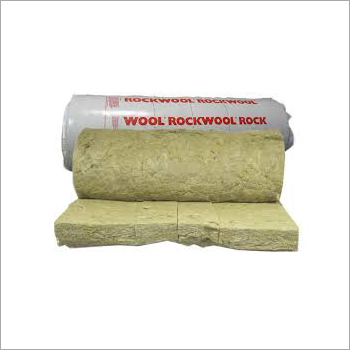
Rockwool Insulation is needed for insulating the walls of facilities, like homes. The breathable, water repellent and fire resistant insulation is made from a wool that comes from molten rock mixture. The insulated walls reduce energy bills, which is why preferred material for many. It also insulates noise and preferred by those who want to minimize noise in rooms, like meeting rooms, offices and bedrooms. It is prevented from the risk of bacterial growth. It can be installed equipment and achieve airtightness.
Superior Fire and Thermal ProtectionRockwool Insulation provides steadfast protection against fire hazards due to its non-combustible Class A1 rating and capacity to withstand temperatures up to 750C. Its optimized heat conductivity effectively maintains indoor temperatures, making it ideal for varied climates and industrial settings where safety and performance are paramount.
Acoustic Comfort and Moisture ResistanceAchieving an impressive NRC of 0.85 at 50 mm thickness, Rockwool excels at absorbing sound, reducing noise transfer within buildings and industrial spaces. Its moisture-resistant design causes water absorption to remain under 1% during partial immersion, resulting in a healthier environment and preventing structural damage due to humidity.
Eco-Friendly and Durable ConstructionManufactured using natural rock fibers, Rockwool is both eco-friendly and chemically inert, ensuring it doesnt promote corrosion and remains neutral within diverse environments. Its robust compressive and tensile strengths make it suitable for both single and multi-layer installations, providing enduring insulation for long-term use.
FAQs of Rockwool Insulation:
Q: How should Rockwool Insulation be installed for optimal performance?
A: Rockwool Insulation should be installed in dry conditions and can be affixed using suitable fasteners or adhesives, depending on the surface. Ensure panels are properly aligned and fitted, maintaining the recommended thickness (5060 mm) for maximum thermal and acoustic effectiveness.
Q: What benefits does Rockwool Insulation offer for building and industrial applications?
A: Rockwool delivers excellent fire resistance, superior thermal insulation, and effective sound absorption. Its moisture repellent, chemically inert nature ensures longevity without promoting corrosion, making it ideal for diverse applications such as walls, roofs, HVAC ducting, and industrial plants.
Q: When is the use of Rockwool Insulation most recommended?
A: Rockwool insulation is best used in environments requiring high fire safety, strong acoustic control, and reliable protection from moisture, such as commercial buildings, residential construction, HVAC installations, and manufacturing facilities.
Q: Where can Rockwool Insulation be applied?
A: Rockwool Insulation is versatile and suitable for installation within building envelopes, partition walls, ceilings, HVAC ducting, and industrial equipment where both thermal and acoustic performance is essential.
Q: What is the process for ensuring Rockwool Insulation performs as expected?
A: To ensure optimal performance, install Rockwool in accordance with manufacturer guidelines regarding dry conditions and proper securing to surfaces. Regularly inspect the insulation for moisture intrusion and physical integrity, especially in high-humidity or industrial environments.
Q: How does Rockwool Insulation contribute to environmental sustainability?
A: Rockwool is manufactured from natural rock and is eco-friendly. Its durability reduces the need for frequent replacement, while its non-toxic, corrosion-inert nature makes it safe for occupants and the environment.
Q: What options are available for the surface treatment of Rockwool Insulation?
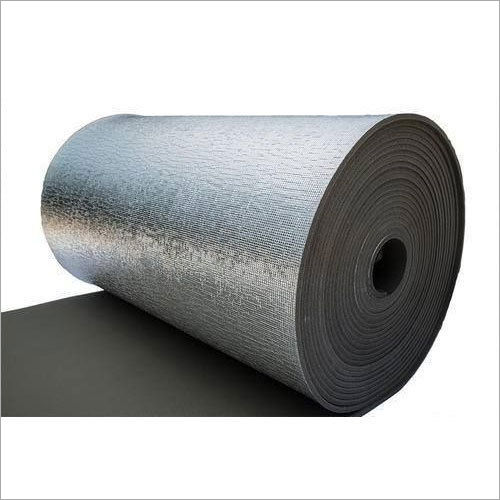
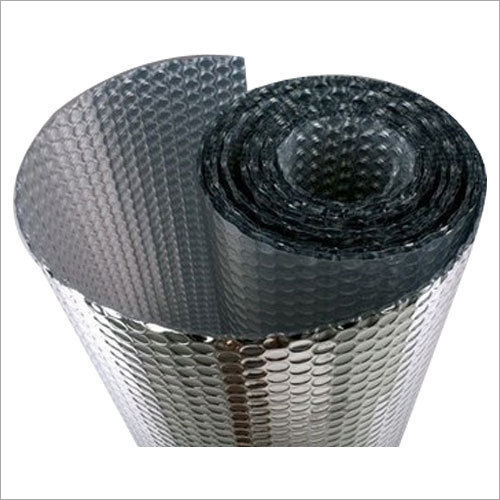
A: Rockwool Insulation is available unfaced or with an aluminum foil facing upon request, allowing for enhanced moisture control or protection in specific applications.






 Send Inquiry

